









An initiative of FETCO — Canada's federally regulated employers

Practical ideas Strong economy

A few sensible tools for the Canada Labour Code, and a more reliable economy.

Canada's railways, ports, airlines, and telecom networks move the goods, people, and information the whole economy runs on. When a strike happens in these sectors, as we are seeing on a more regular basis in recent years, the effect on consumers and businesses across the country can be huge. Worker rights must be respected, and so should those of others. Read about our practical ideas to balance everyone’s needs.

See the tools

Why it matters

Big plans. Practical ideas.

Canada has set itself an ambitious course: grow exports, attract investment, build faster, and work with the world's most reliable trading nations. Every one of those ambitions relies on Canada's federally regulated transportation, logistics, and communications sectors. Keeping them running reliably is how the plans stay on track.

What we lose

$ 0 B

$ 1 Billion In goods moving on Canada's railways every day, roughly $380 billion a year.

$ 0 M

$ 341 Million is the daily economic impact when both major railways are stopped at once 

0 X

Work stoppages in federally regulated industries have risen over 7 times since 2023

$ 0 M

220,000 people board planes in Canada every day — for business and pleasure — contributing to the $330 million in daily GDP from the air transportation sector.

Ontario, Canada.
Abstract background of wires and glowing particles
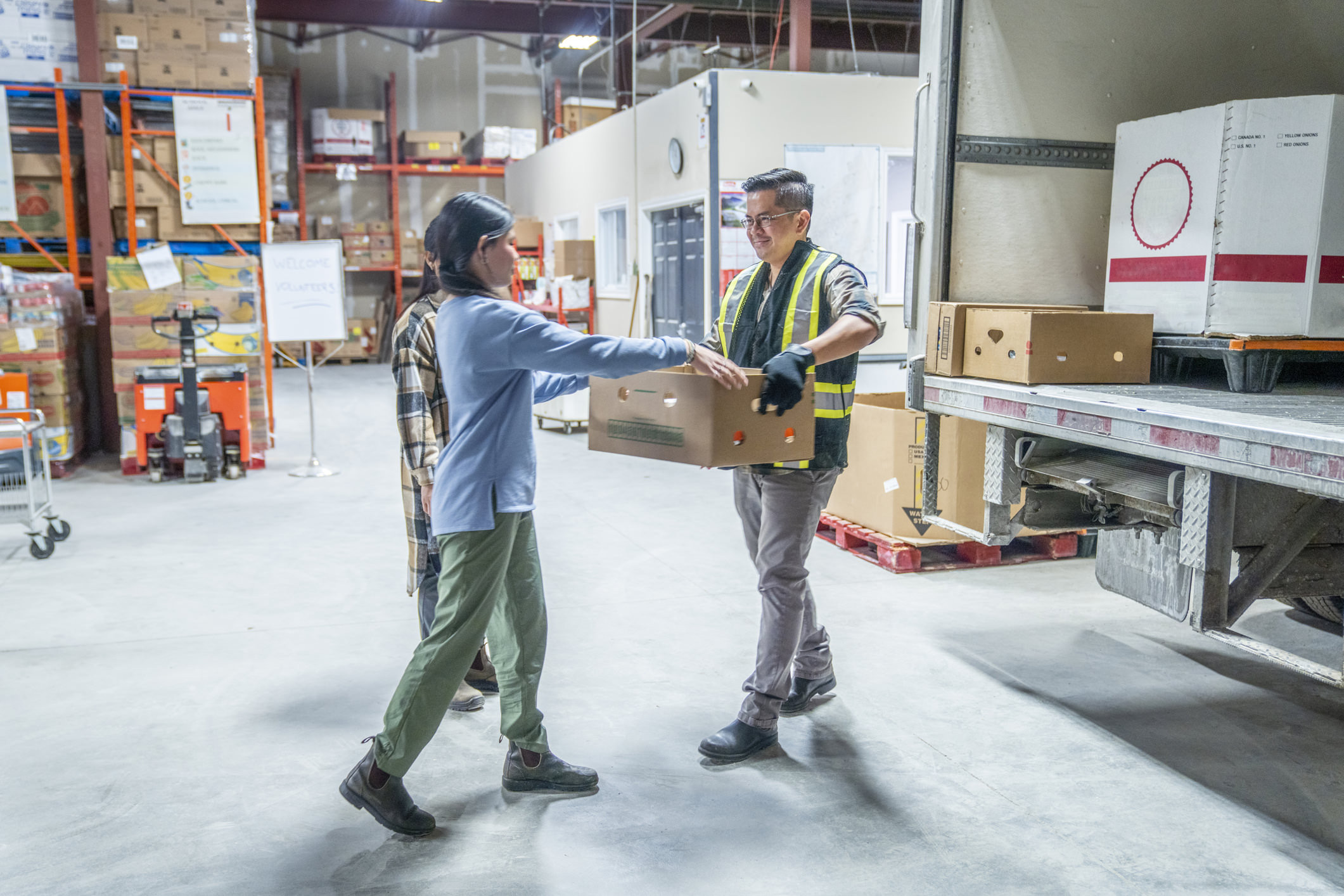
A young girl and her father are seen working together to unload a truck full of food boxes as they volunteer their time.  The father is wearing a reflective vest for safety and is passing the box to his daughter as they work together at the local Food Bank.
Woman using her Mobile Phone sending messages or taking pictures in the street. Magic lights at sun set
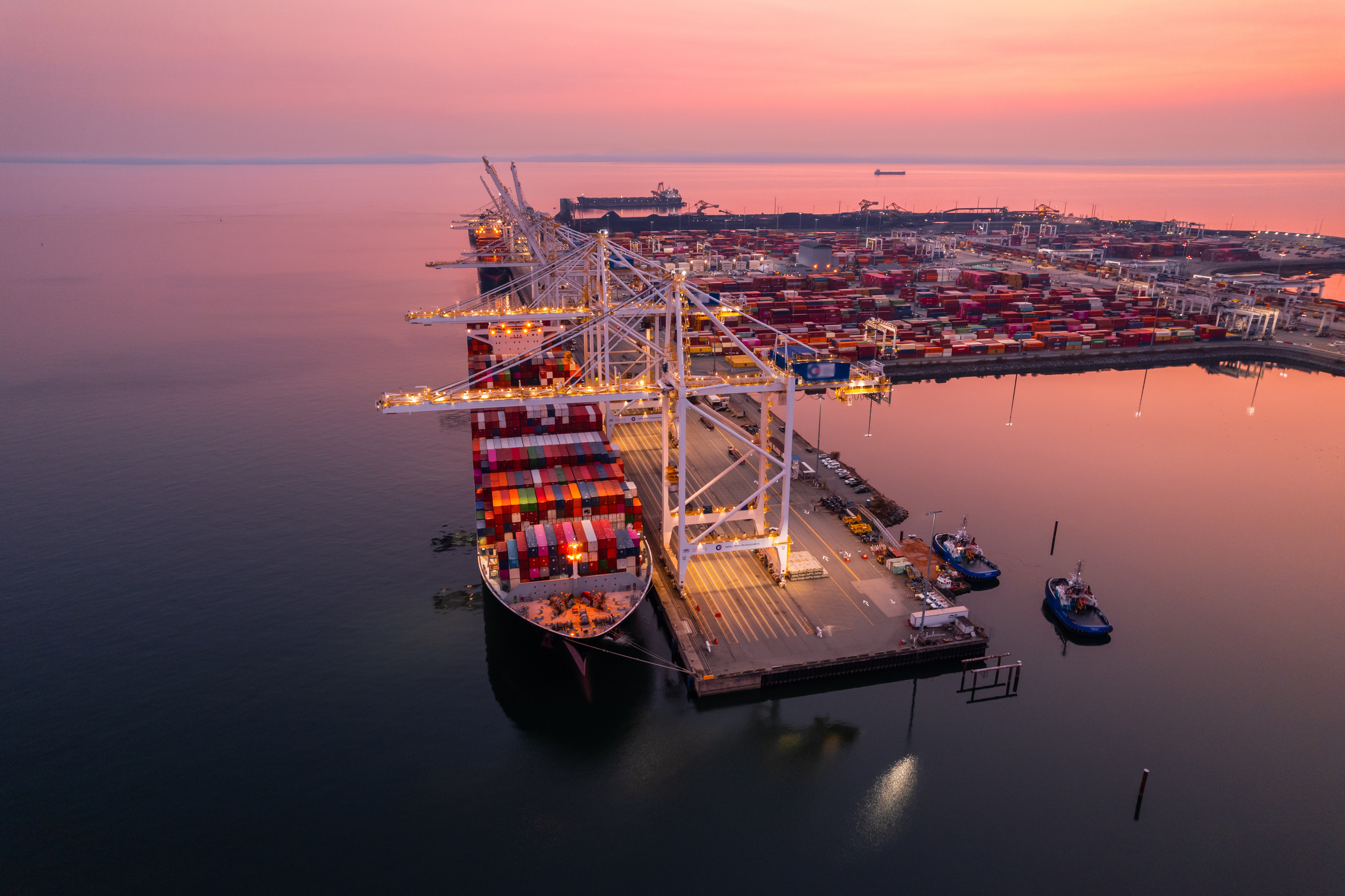
Cargo terminal loading shipping containers onto cargo ships, aerial footage, hyperlapse, Vancouver, BC, Canada, marine terminal, cargo crane
A freight train passing Morant's Curve, Banff NP, Canada
A Muslim mother wearing a hijab selects fresh produce from a supermarket shelf while her young child sits in a shopping cart, capturing everyday family shopping, warmth, and togetherness.
Pharmacist holding medicine box and capsule pack in pharmacy drugstore.
3D illustration Background for advertising and wallpaper in investment and storage cargo scene. 3D rendering in decorative concept.

What reliable looks like.

Shelves that are stocked. Prescriptions that arrive on time. Passengers and freight that get to their destinations. When Canada’s supply chains keep moving, no one should notice. Reliability is what lets families get what they need, and businesses ship what they make at home, and abroad.

The Tools

Sensible tools. Reliable economy.


Each of these tools adds options: a way to keep both sides at the table, bring transparency to the process, and protect the public interest. 

TOOL 01

A special mediator

What it adds:

A Special Mediator with enhanced authority encourages productive negotiations, identifies areas of agreement and disagreement, and—if a deal still can't be reached—recommends a path forward through an independent public report.  

When it applies:

Only when bargaining has genuinely stalled: one more step before a disruption, not a shortcut around it.

What it protects:

Good-faith negotiation. Transparency raises the cost of bad-faith tactics on both sides, and takes nothing from anyone bargaining meaningfully.

TOOL 02

A public interest safeguard

What it adds:

A Charter-compliant path to binding resolution when a dispute threatens Canada's economy or critical infrastructure with irreparable, nationwide harm.

When it applies:

Almost never. 95% of negotiations end with no disruption; this is reserved for the small number of disputes – that are unfortunately becoming more common – with national economic consequences.

What it protects:

The public interest. The courts affirm the right to strike, and that it is not absolute. This tool lives in the narrow space between. 

TOOL 03

A single round of negotiations

What it adds:

Stability and certainty to industry bargaining at West Coast ports. Geographic certification takes the framework that already exists in practice and makes it dependable.

When it applies:

Ahead of this Fall’s bargaining, before a long-standing voluntary arrangement risks fragmenting into dozens of separate tables.

What it protects:

A stable, reliable supply chain for workers, employers, and everyone who depends on Canada’s West Coast ports.

Respect for Worker Rights

What these tools are not.

NOT a replacement for collective bargaining

Employers believe the best deals come from free and fair collective bargaining between the parties.

NOT a choice between workers and the economy

Canadian support both. So do we. These proposed tools are for the benefit of all.

NOT the status quo.

The current system is not fully functioning. There is a better way. Canada needs it now.

NOT a removal of the right to strike

Employers support the right to strike or lockout. These rights include reasonable limits.

About FETCO

A shared voice for the employers who  keep Canada moving.

 Federally Regulated Employers, Transportation and Communications (FETCO) represents the employers in Canada's federally regulated sectors: the railways, ports, airlines, and communications networks at the heart of the national economy and its supply chains. This campaign speaks for the sector as a whole; it is about how Canada bargains, not about any single company, union, or dispute.

Practical Ideas Strong Economy

Canada's economy is built to move, and a few sensible tools can keep it that way.

Consent 
Contact FETCO